
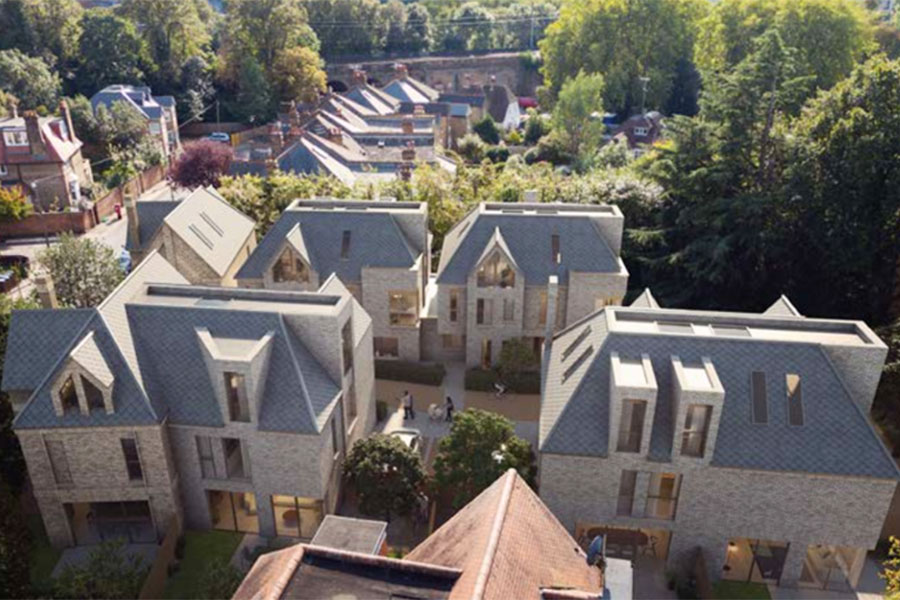
Building your own home gives you the opportunity to create a property around your lifestyle, preferences, and long-term plans. However, buying an existing house can offer a more straightforward route to homeownership, with less involvement in the design and construction process.
Both options have their advantages, and the right choice will depend on your budget, priorities, timescale, and how much control you want over the finished property.
In this guide, we’ll compare self-building with buying an existing house, looking at the costs, flexibility, timescales, and practical considerations involved. We’ll also explore how working with an experienced design and build company can make creating a bespoke home more manageable.
Key Takeaways
Self-building gives you greater control over your home’s design, layout, materials, and specification, allowing you to create a property around your individual requirements.
Buying an existing house is generally more straightforward and can be a better option if you need to move quickly or prefer to avoid managing a construction project.
Self-build budgets need to account for more: land, professional fees, construction costs, fixtures, finishes, and a contingency for unexpected expenses.
An experienced design and build company such as JVB Construction can manage the complexities of a self-build, providing support with planning, construction, project management, and aftercare.
What Is the Difference Between Self-Building and Buying a House?
The main difference is the level of involvement and control you have over the property.
Self-building involves creating a home to your own specification, usually by purchasing a suitable plot and working with professionals to design and construct the property. You have greater influence over the finished result, although you will need to make decisions about the design, materials, budget and other aspects of the project.
Buying an existing house involves purchasing a property that has already been built. You can assess its condition, layout and features before committing, making it easier to understand what you are getting. However, you may need to compromise on certain aspects or invest in renovations if the property does not meet all your requirements.
Neither option is necessarily better. The important consideration is which approach offers the right balance of flexibility, convenience, and value for your circumstances.
Self-Build vs Buying a House: Key Considerations
There are several factors worth comparing before deciding whether to build your own home or purchase an existing property.
1. Cost and Budget
Cost is likely to be one of the biggest considerations when comparing self-building with buying a house.
When purchasing an existing property, the initial costs are generally easier to establish. You will need to consider the purchase price, Stamp Duty Land Tax (where applicable), legal fees, survey costs and any immediate repairs or improvements required.
With a self-build, the financial picture is more complex. Your budget will need to account for:
- Land purchase: The cost of acquiring a suitable plot, including any associated legal fees.
- Design and professional fees: Architect fees, planning consultants, structural engineers and other specialists.
- Planning and approvals: Application fees, surveys and other requirements associated with obtaining the necessary permissions.
- Construction costs: Labour, materials, groundwork, foundations, structural work and installation of essential services.
- Fixtures and finishes: Kitchens, bathrooms, flooring, lighting, decoration and other interior specifications.
- Contingency: An allowance for unexpected costs, changes or unforeseen site conditions.
Although self-building involves more elements to budget for, it can provide greater control over how your money is spent. You can make decisions about the size, specification and finishes of the property, adjusting certain elements to suit your available budget.
However, it is important not to assume that building your own home will automatically be cheaper than buying an equivalent property. Land prices, construction costs, site conditions and the specification you choose will all influence the final investment.
2. Design and Personalisation
One of the biggest advantages of self-building is the freedom to create a home that reflects your individual requirements.
When buying an existing house, you are largely working with someone else’s design decisions. You might love the location but find the kitchen too small, the bedrooms poorly arranged or the living space unsuitable for your needs. Although renovations can address some of these issues, significant alterations can be expensive and may require additional planning or building regulations approval.
With a self-build, you have the opportunity to influence the design before construction begins. This could include:
- Choosing the number and arrangement of bedrooms and bathrooms.
- Creating open-plan living areas or separate spaces for working from home.
- Incorporating additional storage and practical features.
- Selecting materials, fixtures and interior finishes.
- Designing gardens, driveways and outdoor entertaining areas.
Including features that support accessibility and future living requirements. This flexibility is particularly valuable if you have specific requirements that are difficult to accommodate in an existing property.
However, greater choice also means more decisions to make. Working with an architect and experienced construction team can help ensure your ideas are translated into a practical design that works within the available space and budget.
3. Timescales and Convenience
If you need to move home quickly, buying an existing property will generally be the more convenient option.
Once you have found a suitable house, agreed a purchase price and completed the necessary legal checks, you can proceed towards completion and moving in. The process can still involve delays, particularly if there are complications with the property or property chain, but you will not need to wait for a new home to be constructed.
Self-building requires considerably more preparation. Before construction can begin, you may need to secure a plot, arrange surveys, develop architectural plans, obtain planning permission and satisfy building regulations requirements.
The construction itself can then take several months or longer, depending on the size and complexity of the property, site conditions and availability of labour and materials. There may also be unexpected delays during the project, so it is important to establish a realistic programme and allow some flexibility in your plans.
If you have a fixed deadline for moving, purchasing an existing house may be more suitable. If you have the time to plan carefully and oversee the creation of a bespoke property, self-building could be worth considering.
4. Quality, Specification, and Energy Efficiency
When buying an existing property, the quality of the construction and its specification will depend on when it was built, the materials used and how well it has been maintained.
A property might have attractive features and a well-designed layout, but you should also consider its insulation, windows, heating system, electrical installations and general condition. Older houses may require improvements to meet your expectations for comfort, efficiency and running costs.
With a self-build, you have greater influence over these decisions. You can specify modern insulation, efficient heating systems, suitable glazing and other features that support the property’s energy performance.
You can also choose materials and construction details that reflect your priorities for durability, appearance and maintenance.
Building regulations will establish minimum requirements for relevant aspects of construction, but you can choose to incorporate higher specifications where your budget allows.
This can be particularly beneficial if you want a home designed around modern living requirements, with consideration given to long-term comfort and energy efficiency.
5. Involvement and Project Management
The amount of time and involvement required is another important difference between the two options.
Buying an existing property still involves decisions about surveys, solicitors, mortgage arrangements and the purchase itself. However, once the transaction is complete, there is generally less coordination required unless you plan to carry out renovations.
A self-build involves a more extended process, with decisions required at various stages of the project. You may need to coordinate architects, engineers, planning consultants, contractors and suppliers, as well as keep track of costs and progress.
This does not mean you have to manage everything yourself. Working with a design and build company can provide a single point of contact for the construction process. An experienced team can coordinate the relevant trades, manage the build programme and keep you informed when decisions are needed.
This allows you to remain involved in the important choices while benefiting from professional support with the practical and technical aspects of the project.
Is Self-Building or Buying a House Right for You?
Ultimately, the right choice will depend on your priorities, budget and what you want from your next home.
The following table summarises some of the circumstances in which each option may be more suitable.
| Self-building could be right for you if… | Buying an existing house could be right for you if… |
|---|---|
| You have a clear vision for the type of home you want. | You need to move within a relatively short timeframe. |
| You have specific layout or design requirements that are difficult to find in existing properties. | You have found a property that already meets most of your requirements. |
| You want greater control over the materials, specifications, and finishes. | You prefer a more established purchasing process. |
| You are prepared to invest time in planning and making decisions throughout the project. | You want to avoid the additional responsibilities associated with a construction project. |
| You have a suitable budget and are comfortable with the additional considerations involved in construction. | You are happy to make some compromises on the property’s layout or specification. |
It is also worth considering your longer-term plans. If you intend to stay in the property for many years, the opportunity to create a home around your lifestyle and future requirements may make self-building particularly appealing.
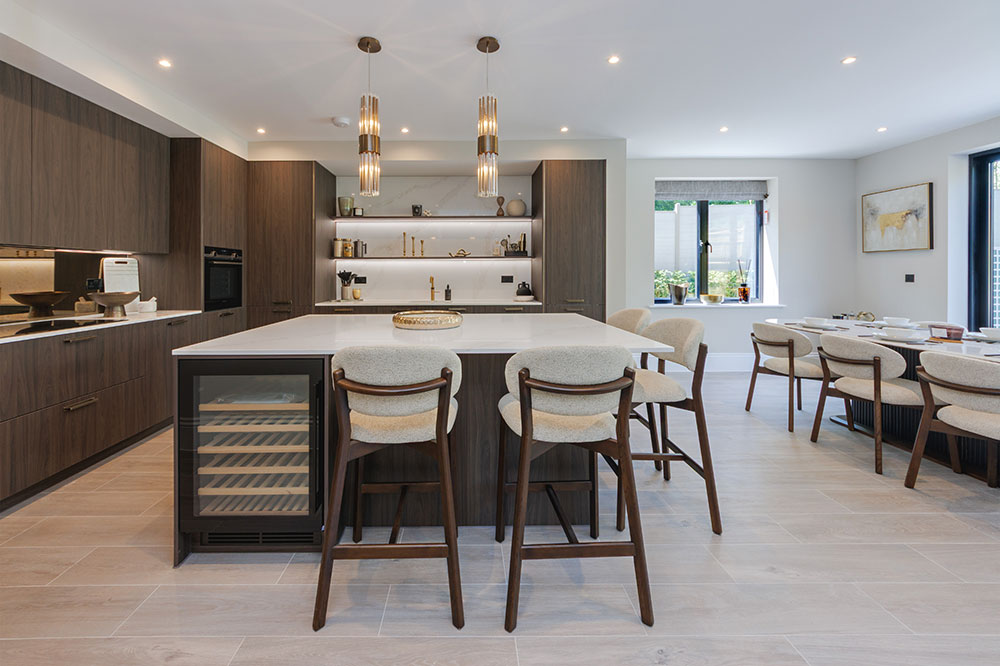
Create Your Bespoke Home With JVB Construction
If you have decided that self-building is the right choice, finding an experienced construction partner is an important step towards making your plans a reality.
JVB Construction specialises in designing and building bespoke new build homes across Surrey, London, and the Home Counties. Our complete design and build service is tailored to each client, providing professional support throughout the project while ensuring your requirements remain at the heart of every decision.
Whether you already have architectural plans or are at the early stages of exploring your options, our team can help you understand what is involved and establish a practical approach to your project.
Our four-stage process covers:
- Quotation: An initial consultation to understand your vision, requirements and budget, followed by a detailed quotation.
- Planning: Working alongside you and your appointed architect to develop the design, manage planning requirements and establish a project timeline.
- Build: Experienced project management and quality construction, with regular updates throughout the build.
- Aftercare: A thorough inspection and handover, with continued support from our dedicated aftercare team. All JVB new homes also come with a 10-year new home warranty.
Considering a self-build project? Get in touch with JVB Construction to discuss your ideas and find out how we can help bring your dream home to life.

