
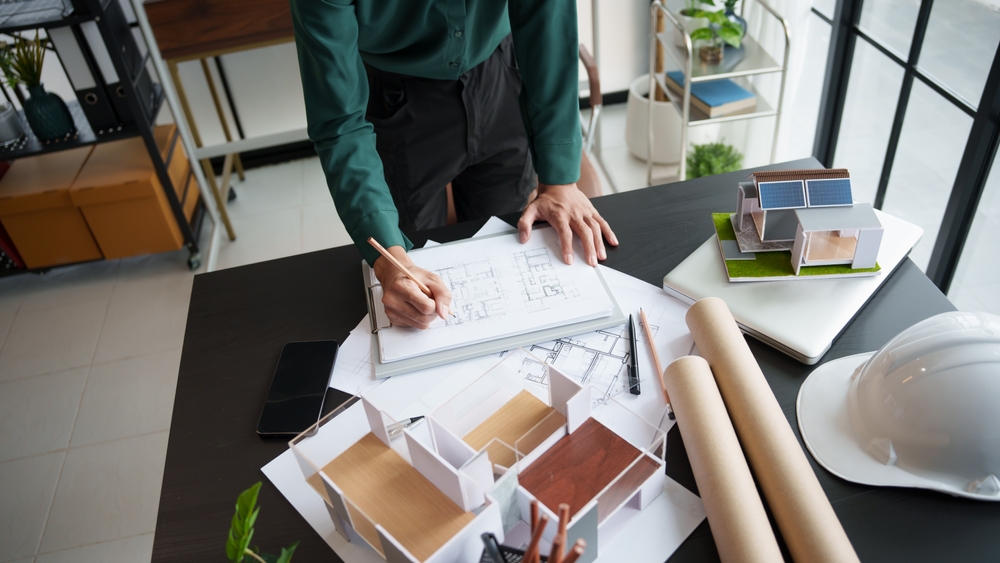
Luxury home design is about more than expensive materials or impressive interiors. The most successful designs bring together personal style, practicality, and craftsmanship to create homes that feel considered rather than showy. Whether it’s a contemporary new build or a characterful renovation, the choices made throughout the design process can transform how a property looks, feels, and functions.
In this guide, we explore five luxury home design trends that can help you approach your own project with fresh ideas and a clearer sense of the style you want to achieve.
Key Takeaways
Luxury home design trends explore different ways to create distinctive spaces, with an emphasis on materials, architectural details, and individual style.
Top luxury home design trends include quiet luxury, biophilic design, tonal monochromatic palettes, curated heritage, and fluid sculptural minimalism.
JVB Construction delivers bespoke new builds, residential developments, luxury renovations, and extensions across London and the Home Counties, helping clients bring their home design ideas to life.
1. Quiet Luxury: Understated Elegance
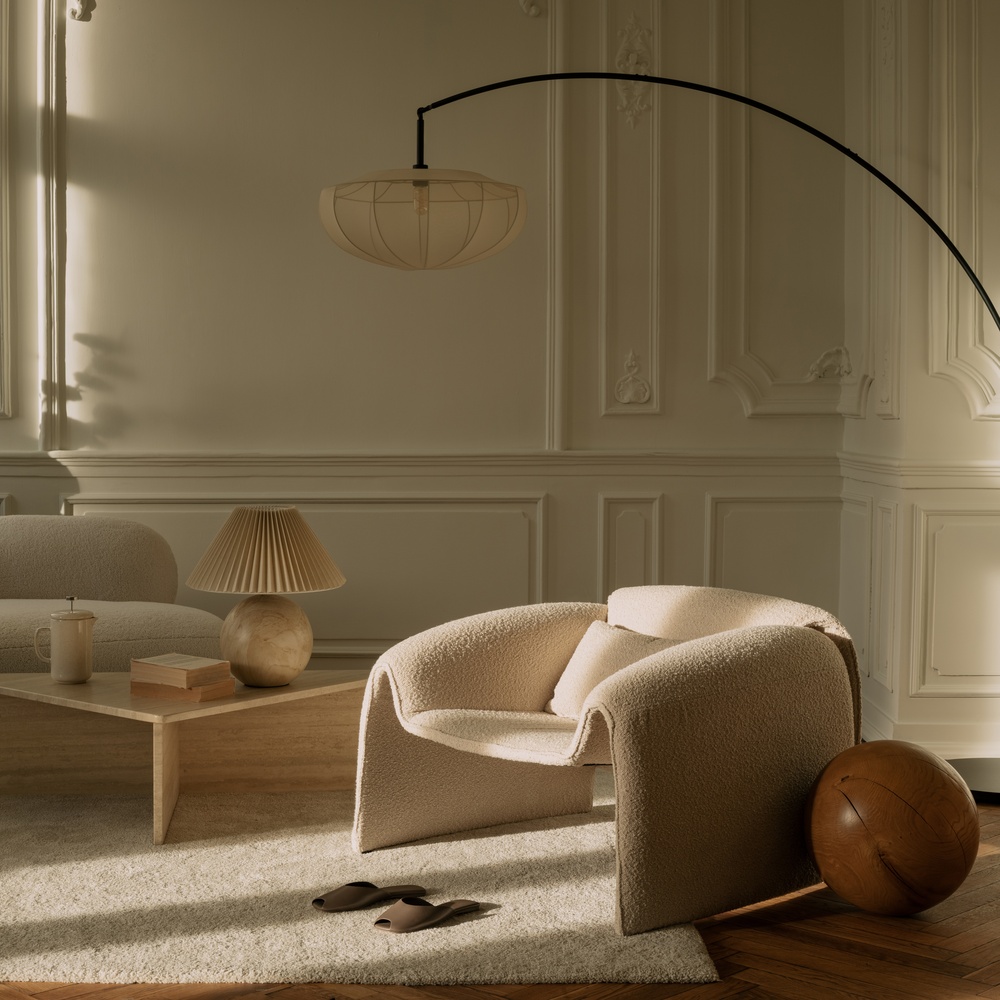
Quiet luxury is a popular trend in high-end home design that prioritises subtle sophistication over elaborate decoration. It focuses on quality materials, expert craftsmanship, and thoughtful details that give a home a refined, timeless feel.
Warm neutral palettes, natural stone, solid timber, and bespoke cabinetry are all characteristic of this approach, with integrated storage and discreet lighting helping to create calm, uncluttered spaces.
Rather than relying on bold design statements, quiet luxury allows the quality of the materials and finishes to take centre stage. The natural grain of wood, the texture of stone, and precisely crafted joinery can add depth and character without overwhelming a room. The result is a home that feels elegant and welcoming, with an emphasis on lasting quality rather than passing fashions.
2. Biophilic Design: Bringing Nature Into the Home
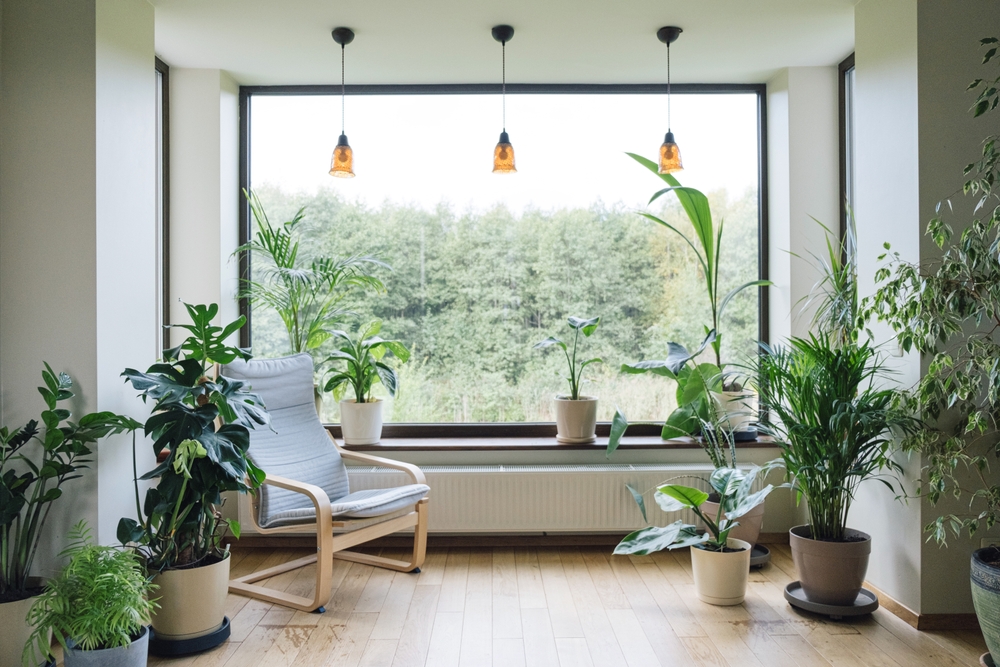
Biophilic design is an increasingly popular approach to residential architecture that focuses on strengthening the connection between a home and the natural world. Rather than treating nature as a finishing touch, it incorporates natural elements into the design of the property itself, creating a closer relationship between indoor and outdoor spaces.
Expansive glazing, carefully positioned windows, and internal courtyards can bring natural light into the home while making the most of surrounding views. Natural materials, such as timber and stone, introduce organic textures, while landscaped gardens and water features can further enhance the connection to nature.
Beyond its visual appeal, biophilic design can help create a more calming living environment by making natural light, greenery, and outdoor views an integral part of everyday life. When considered from the early stages of a project, these features can influence the layout and architecture of a home, creating a cohesive relationship between the building and its surroundings.
3. Tonal Monochromatic Depth: Layering Colour and Texture
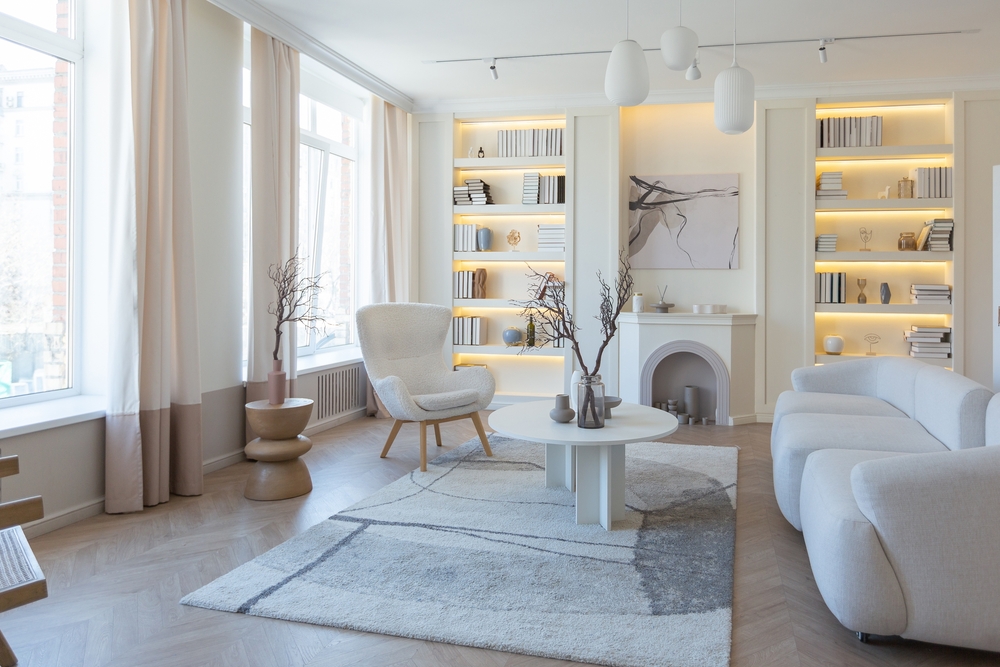
Tonal monochromatic design is a trend that creates visual interest by layering different shades of the same colour rather than relying on contrasting palettes. This approach allows interiors to feel cohesive while still having depth and character, making it particularly effective in luxury homes where the finer details play an important role.
For example, a living room might combine warm beige walls with darker taupe upholstery, natural timber furniture, and textured stone surfaces. Mixing materials and finishes, such as matt paint, polished marble, and soft velvet, adds further dimension, while carefully planned lighting highlights their different qualities.
This approach works across a range of spaces, from calming bedrooms to sophisticated kitchens and bathrooms. By keeping the colour palette consistent while varying textures, finishes, and tones, homeowners can create interiors that feel considered and elegant without becoming flat or one-dimensional.
4. Curated Heritage: Blending Old and New
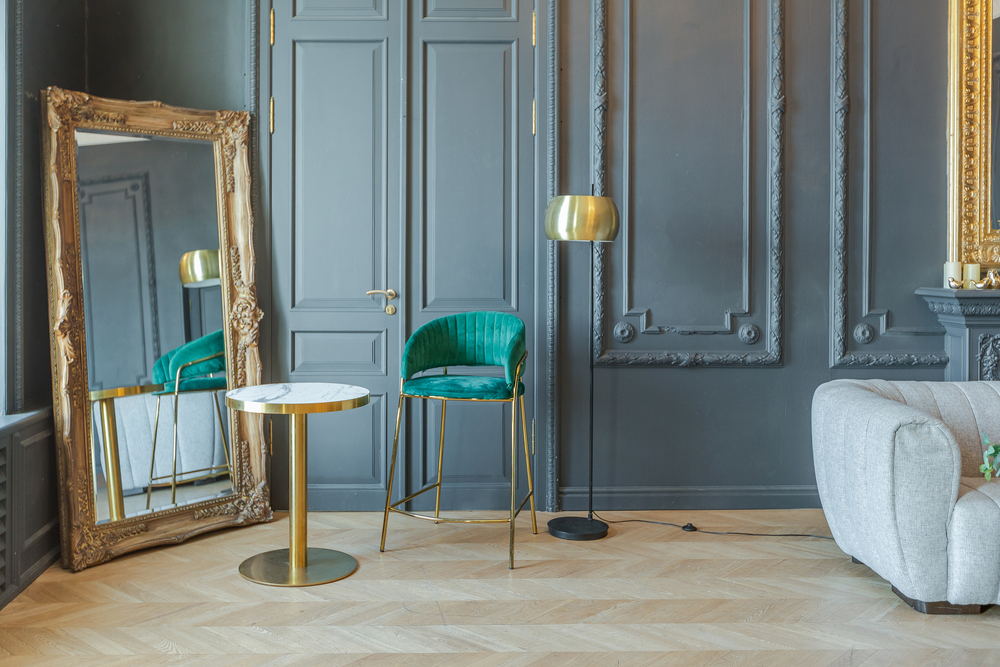
Curated heritage is a home design trend that brings together traditional character and contemporary luxury to create interiors that feel personal rather than overly coordinated. Instead of following a uniform style, the approach celebrates individuality, combining pieces with history and character alongside modern design choices.
Antique furniture, vintage accessories, distinctive artwork, and handcrafted wooden features can all add personality to a space. Traditional architectural details, such as decorative mouldings or original fireplaces, can sit comfortably alongside contemporary kitchens, modern lighting, and clean-lined furniture. The contrast between old and new helps create interiors that feel collected over time rather than furnished all at once.
The key is finding a balance between character and practicality. Retaining period features or incorporating reclaimed materials can give a property a sense of history, while thoughtful layouts and modern amenities ensure it meets the needs of contemporary living. The result is a home that reflects its owner’s tastes and feels individual rather than dictated by passing trends.
5. Fluid Sculptural Minimalism: Softening Modern Spaces
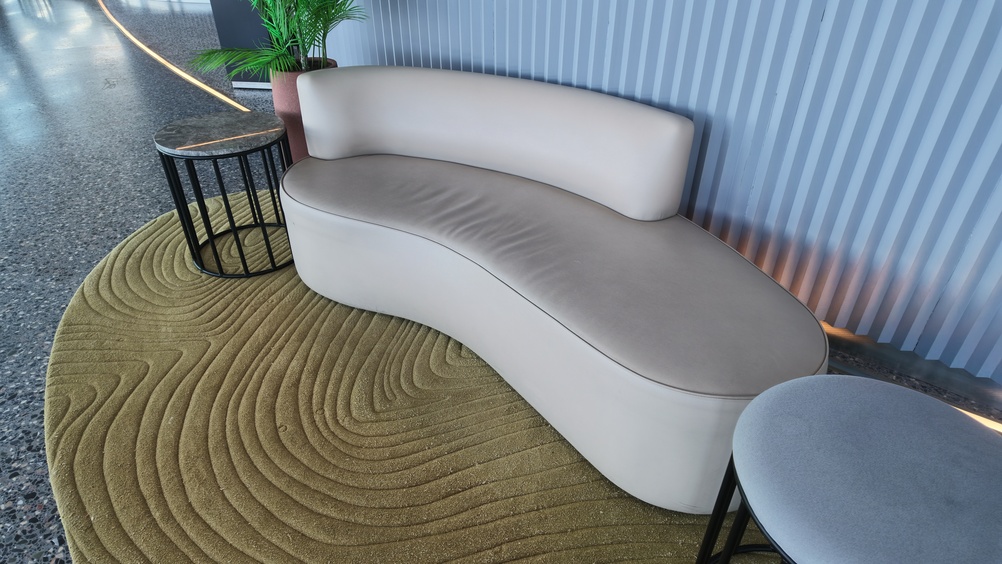
Fluid sculptural minimalism is a design trend that uses curves, organic shapes, and statement features to soften the clean lines often associated with modern architecture. Rather than filling a room with decorative objects, it focuses on a smaller number of distinctive elements that bring movement, texture, and visual interest to the space.
Curved walls, rounded sofas, and sculptural lighting are characteristic of this style, while features such as sweeping staircases and bespoke joinery can introduce the same aesthetic into the architecture itself. Plaster finishes and natural materials can further enhance the effect, creating softer transitions between surfaces and adding depth without unnecessary ornamentation.
Achieving this look requires a balance between visual impact and practicality. Curved features need to work with the room’s layout, allowing enough space for movement while ensuring furniture and architectural details complement one another. When thoughtfully planned, fluid sculptural minimalism creates interiors that feel contemporary and distinctive without sacrificing comfort or functionality.
Also read: Guide to the Design and Build Process
Bring Your Vision to Life With JVB Construction
Choosing the right design is only part of creating a luxury home. Turning those ideas into reality requires careful planning, skilled craftsmanship, and a construction team that understands how to bring architectural features, materials, and finishes together. JVB Construction works with homeowners and developers across London and the Home Counties, delivering bespoke new builds, residential developments, luxury renovations, and extensions.
“Luxury home design continues to evolve, but the most successful ideas are those that work for the property and the people living in it. At JVB Construction, we bring these ideas into each project through bespoke design and carefully considered details that make every home individual,” says Joe Bruckland, Managing Director
Whatever your vision for your home, JVB Construction can help you turn your design ideas into a reality. Contact our team today to discuss your vision.

