
Building a home to your exact design is an exciting opportunity, but it can quickly become stressful and expensive if you are not properly prepared. Learning how to plan and budget for a custom build home is critical to keeping costs under control, timelines realistic, and your vision firmly on track.
In this guide, we will walk you through the essential steps for planning a custom build home, including defining your priorities, estimating costs, and planning your timeline, so you can build your dream house with confidence.
JVB Construction is a team of luxury house builders in Surrey, offering a comprehensive Surrey design and build service, with expert support throughout every stage of your custom build project.
Key Takeaways
- To plan and budget for a custom home effectively, start by defining your priorities, including size and layout, must-have features versus nice-to-haves, future needs, and preferred style, so every decision supports your vision.
- To stay in control of your budget, understand the main cost categories: land, design and planning, construction, finishes, and contingency, so you can allocate funds wisely and avoid unexpected expenses.
- To keep your project on schedule and anticipate possible delays, plan a realistic timeline covering each stage: design and concept development, planning permission and approvals, construction, and final finishing touches.
- JVB Construction is a luxury home builder specialising in custom homes, offering a full end-to-end service with dedicated support from start to finish.
1. Set Your Vision and Priorities
Defining your priorities at the start of a custom build ensures the project runs smoothly and your home meets both current and future needs. The table below outlines the key focus areas, what they involve, and the result of planning each carefully:
| Priority Area | What to Consider | Result / Benefit |
|---|---|---|
| Size and Layout | Consider the number and size of bedrooms, bathrooms, and living areas. Think about how spaces like kitchens, lounges, dining rooms, or home offices will function. Include any additional rooms such as gyms, media rooms, or hobby spaces. | A thoughtful layout ensures your home works for everyday life and provides flexibility as your needs change. |
| Must-Haves vs Nice-to-Haves | Identify which features are essential and which can be flexible. Must-haves might include storage, practical kitchen layouts, or accessibility features, while nice-to-haves could be extras like a home cinema, walk-in wardrobe, or bespoke finishes. | Prioritising must-haves ensures the most important elements are delivered without unnecessary compromise or overspending. |
| Future Needs and Practicality | Consider long-term requirements such as family growth, working from home, mobility or accessibility needs, and maintenance. Think about energy-efficient solutions or sustainable materials. | Forward planning creates a home that remains functional, cost-effective, and enjoyable for many years. |
| Style and Aesthetic | Decide on the overall design direction: contemporary, traditional, or fully bespoke. Think about materials, finishes, colours, textures, and architectural features that bring your vision to life. | A cohesive style ensures your home feels visually harmonious and reflects your personal taste, guiding decisions throughout the build.
|
2. Understand and Manage Costs
Another key step in planning a custom build home is understanding where your money will go, so you can set an accurate budget and manage your finances effectively. Breaking down costs into distinct categories helps you make more informed decisions and avoid nasty surprises. Key cost areas to consider include:
- Land: The price of the plot itself is often the largest single expense. Consider location, size, and any site-specific factors that could affect the build, such as terrain or access.
- Design and Planning: This includes architect fees, surveys, and necessary planning permissions. These are essential to ensure your home is safe, compliant with regulations, and built exactly to your specifications.
- Construction: The main build costs cover materials and labour. High-quality materials and skilled craftsmanship are crucial for a durable, long-lasting home.
- Fixtures, Fittings, and Landscaping: Internal finishes such as kitchens, bathrooms, flooring, and lighting, as well as external landscaping, can significantly affect the overall cost. Planning these elements carefully ensures your home can meet your design vision.
- Contingency Fund (10–20%): Always set aside extra funds for unexpected costs that may arise during the build, such as delays, material price increases, or design changes. Having a contingency ensures you can cover these potential expenses without disrupting your overall budget.
3. Plan Your Timeline
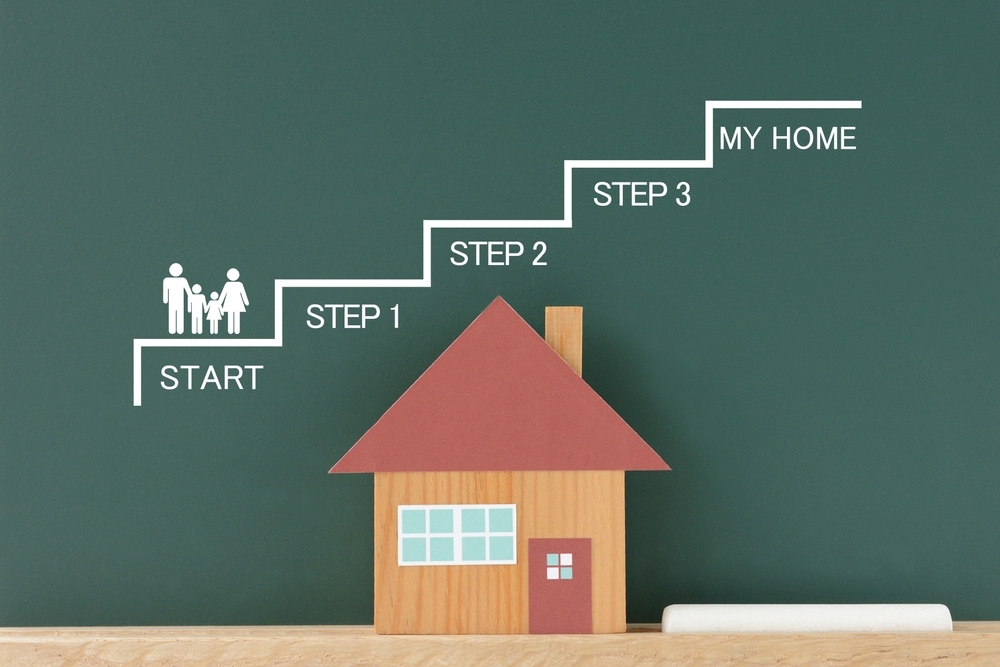
A successful custom build also depends on careful timeline planning. While every project is unique, most builds progress through four main stages. Understanding what happens at each stage and typical durations helps you stay organised and anticipate potential delays:
Design and Concept Development (4–12 Weeks)
This initial stage brings your vision to life. Architects and designers create detailed floor plans, elevations, and 3D models. Decisions are made about room layouts, circulation, lighting, and material choices, including finishes and energy-efficient elements. The time required varies depending on the complexity of the design and how quickly initial concepts are approved.
Planning Permission and Approvals (8–16 Weeks)
Before construction can begin, planning permission and compliance with building regulations must be secured. This stage often involves technical surveys, soil testing, and environmental assessments. Delays may occur due to council review processes or the need for additional documentation. Starting this process early helps prevent knock-on effects on the overall schedule.
Construction Phase (6–12 Months)
Construction begins with preparing the site and laying the foundations. The structural framework is built, and essential systems, such as plumbing, electrical wiring, and heating, are installed. As walls go up and windows are fitted, the home gradually takes shape. Progress can be affected by weather, site conditions, or custom design features, so careful supervision is essential to keep the build on track.
Finalisation and Move-In Preparation (4–8 Weeks)
In this stage, the home is made ready for occupancy. Internal work, such as painting, flooring, cabinetry, and commissioning of heating and electrical systems, is completed. External elements, including driveways, patios, and landscaping, are finalised. Any adjustments or quality checks are completed to ensure the home meets expectations and is ready for you to move into.
Top Tip: It’s important to allow realistic buffers for each stage to accommodate unexpected delays. A well-structured timeline reduces stress and ensures your home is delivered smoothly.
Did You Know? JVB Construction supports clients with managing costs and project scheduling. We provide a detailed quotation tailored to your project and create an agreed timeline. You are assigned a dedicated project manager who ensures the team follows the schedule, keeps you informed of progress, and supports decision-making.
4. Choose JVB Construction for End-to-End Support
“At JVB Construction, we know that careful planning and a clear budget are the foundations of every successful custom home. Our team works closely with clients at every stage, guiding them to ensure their dream vision is realised,” says Joe Bruckland, Managing Director.
When building a bespoke home, you need a team you can trust to guide you through the entire journey. JVB Construction offers a complete design and build service that brings your vision to life with craftsmanship and care. Whether you’re starting with a concept or already have architectural plans, we can work alongside your chosen designers or provide a full design solution ourselves.
What sets us apart is our end-to-end approach. We handle every aspect of the build with precision and organisation, ensuring your project runs smoothly from the moment you get in touch to the final handover.
When you work with us, you benefit from:
- Comprehensive project management that keeps your build running efficiently and transparently.
- A meticulous eye for detail across both interiors and exteriors, ensuring exceptional results throughout your home.
- A personalised, collaborative process where your needs and aspirations shape every stage of the project.
- A 10-year new home warranty for complete peace of mind long after the project is finished.
- Ongoing support after completion, including inspections and guidance, to give you total confidence in your new home.
With JVB Construction’s incomparable expertise, you can approach your custom build with confidence, knowing you have professional support every step of the way.
Top Tip: To see exactly how we deliver a seamless, end-to-end custom build, explore our Design and Build: Process Explained guide.
Frequently Asked Questions
How long does a custom build home typically take?
Timelines vary depending on the size, complexity, and design of your home, as well as factors like planning approvals and site conditions. As a guide, most custom builds take around 6–12 months from the start of construction to completion.
How much does it cost to build a custom home?
Costs depend on location, plot conditions, design specifications, materials, and the level of finish you choose. Every project is different, which is why obtaining a detailed estimate is essential. At JVB Construction, we always recommend including a contingency fund for any unforeseen changes or additional requirements.
Do I need planning permission for a custom build home?
Most new homes require full planning permission before work can begin. JVB Construction can manage this process for you, working with architects, preparing documentation, and liaising with the local authority to keep your project moving smoothly.
Can you work with my existing architect or designs?
Yes. Whether you already have approved plans or are starting from scratch, we can work seamlessly with your chosen architect or provide a complete design service in-house to bring your vision to life.
Contact us at JVB Construction today and start your journey to a beautifully crafted, bespoke home.

